

Japanese Cookware vs Western Cookware
What’s the Real Difference—and Which Is Right for You?
When it comes to cookware, not all pots and pans are created equal.
Japanese cookware and Western cookware reflect fundamentally different cooking philosophies—and understanding these differences can completely change how you cook at home.
1. Design Philosophy: Precision vs Power

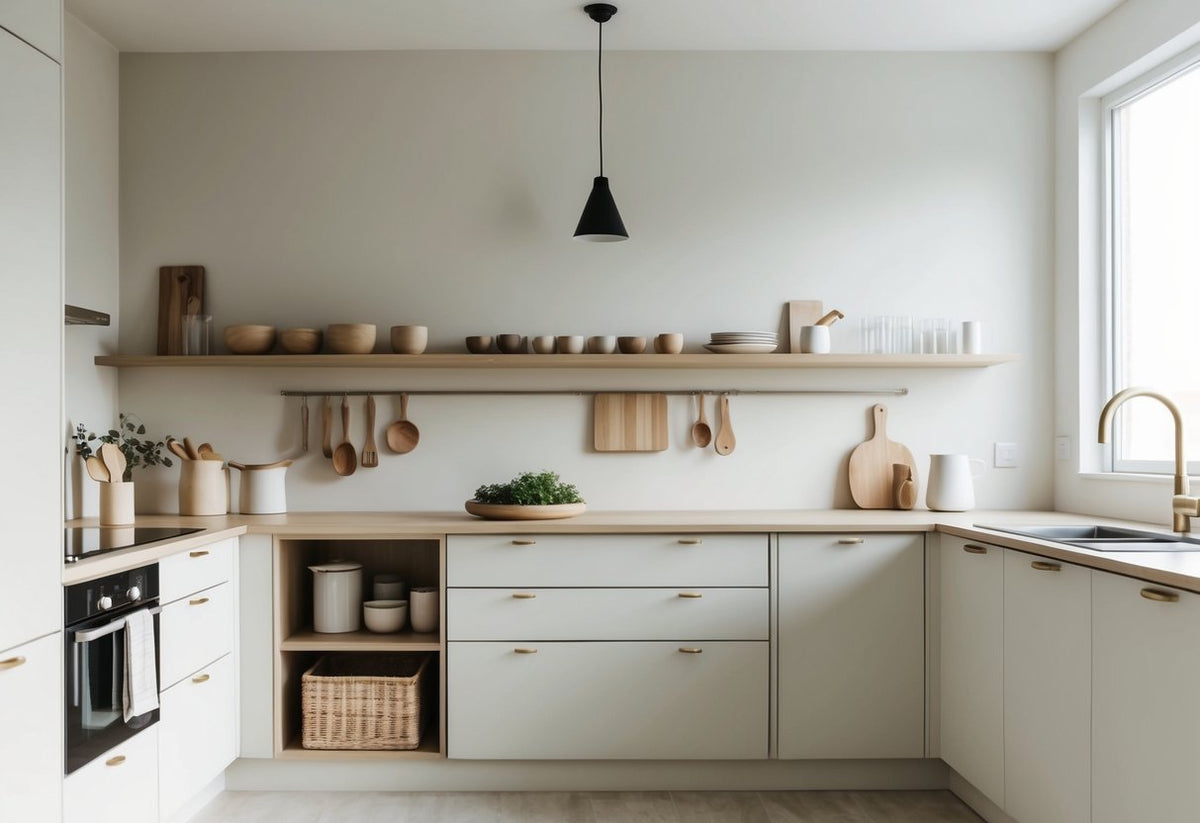
Japanese cookware is built around precision and efficiency.
Lightweight construction, refined shapes, and thoughtful details (like dual pouring spouts) are designed to make everyday cooking smoother and more controlled.
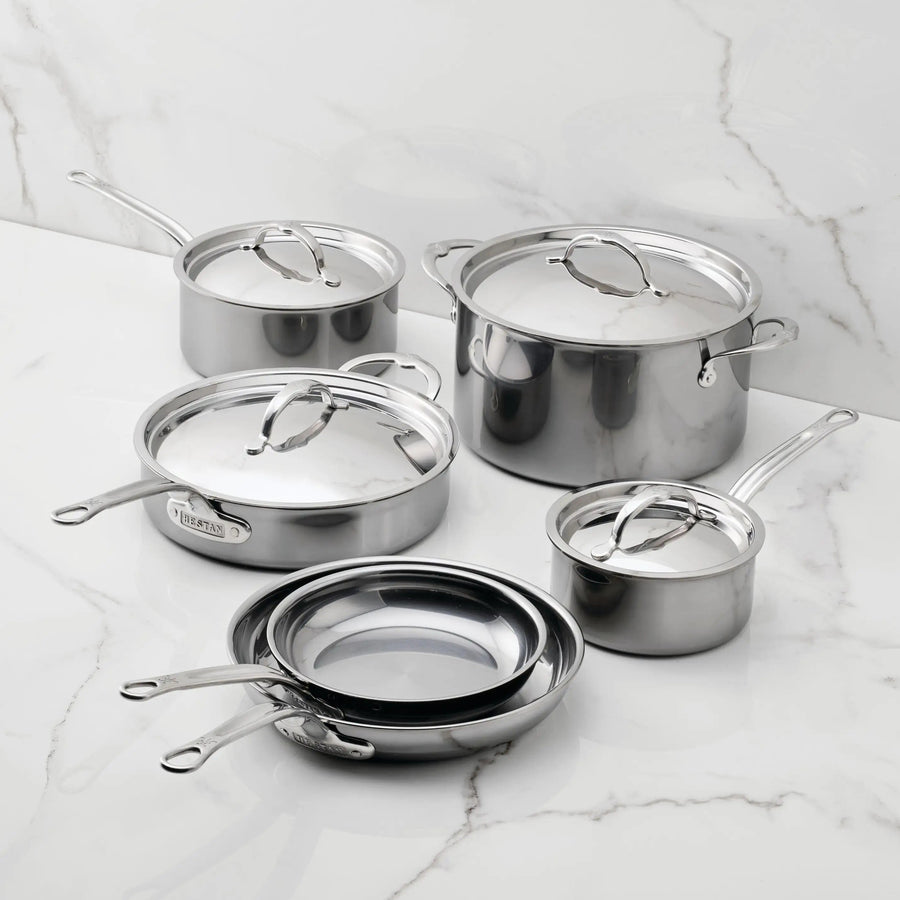
Western cookware, on the other hand, emphasizes power and durability.
Heavier materials like cast iron or thick tri-ply stainless steel retain heat longer and are ideal for searing, roasting, and large-batch cooking.
👉 In short:
- Japan = control, finesse
- West = strength, heat retention
2. Weight & Handling: Light vs Heavy
Japanese pans (like traditional yukihira pots) are typically lighter and easier to handle with one hand.
This makes them perfect for quick tasks—boiling, simmering, reheating, and pouring.
Western cookware tends to be heavier, often requiring two hands, especially when full.
This weight contributes to stability and even heat distribution, but can feel cumbersome for daily use.
👉 If you cook frequently and value ease → Japanese wins
👉 If you cook in large quantities → Western may suit better
3. Heat Behavior: Responsive vs Stable


Japanese cookware heats up quickly and responds immediately to temperature changes.
This is ideal for delicate cooking—soups, sauces, noodles, and precise timing.
Western cookware retains heat longer and distributes it evenly across the surface.
This makes it better for searing meats, slow cooking, and oven use.
👉 Japanese = fast response
👉 Western = heat stability
4. Cooking Culture: Everyday Simplicity vs Occasion Cooking
Japanese kitchens are built around daily efficiency.
Meals are often prepared quickly, with an emphasis on freshness, balance, and minimal waste.
Western kitchens often accommodate larger portions and longer cooking times—think roasts, steaks, and baked dishes.
This cultural difference is reflected directly in cookware design.
5. Materials & Craftsmanship
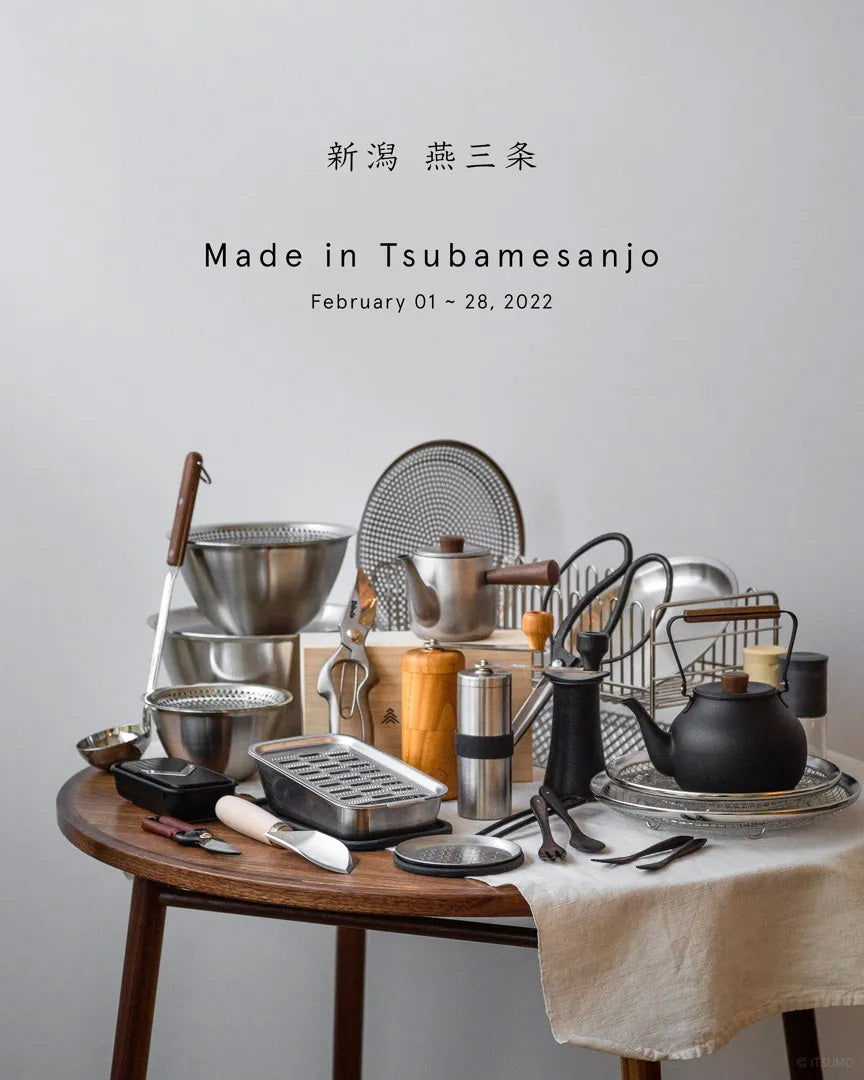


Japanese cookware often comes from regions like Tsubame-Sanjo, known for metal craftsmanship.
Details like hammered finishes are not just aesthetic—they improve heat distribution and durability.
Western cookware focuses more on engineering performance—multi-layer metals, thick bases, and oven compatibility.
6. Which One Should You Choose?
There’s no universal “better”—only what fits your cooking style.
Choose Japanese cookware if you:
- Cook daily and value efficiency
- Prefer lightweight, easy-to-handle tools
- Make soups, noodles, sauces, or small meals
- Appreciate minimalist design and craftsmanship
Choose Western cookware if you:
- Cook large portions
- Sear meats or use ovens frequently
- Prefer heavy, stable pans
- Want maximum heat retention
Final Thought
The best kitchens don’t choose one—they combine both.
A lightweight Japanese saucepan for everyday cooking.
A heavy Western pan for weekend meals.
That balance is where function meets enjoyment.
We provide some Japanese Cookwares for you reference.
